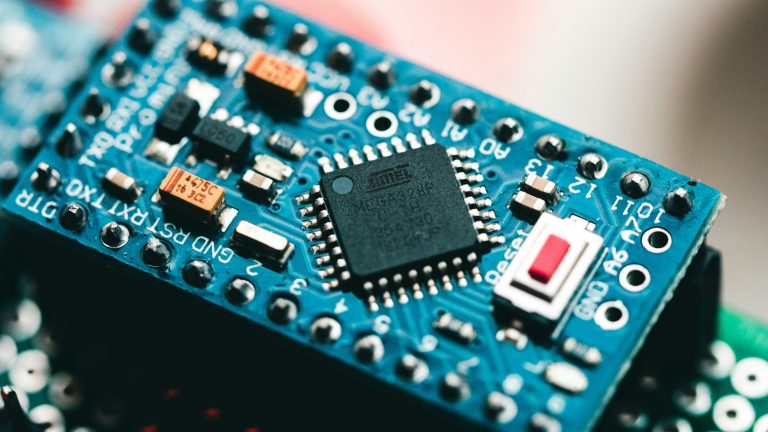
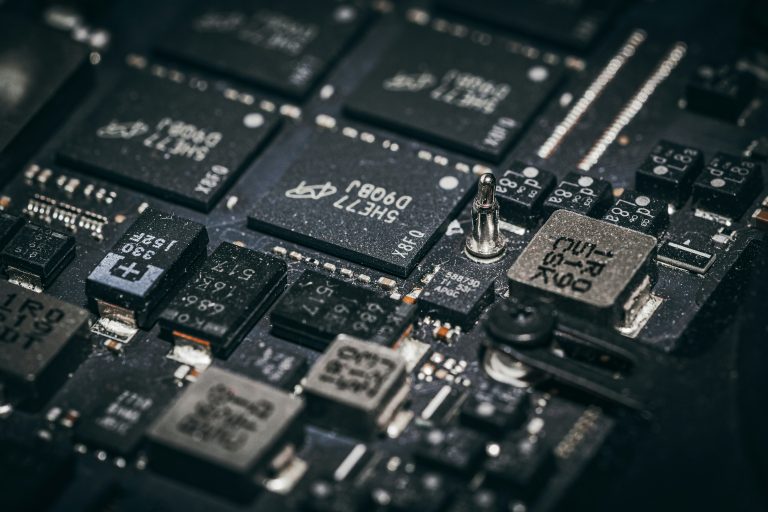
High-speed PCB cost is the most important concern for design engineers, procurement managers, and industrial buyers working on 5G, AI, automotive, data center, and high-frequency communication projects. Unlike standard PCBs, high-speed boards require tight impedance control, low-loss materials, fine-line manufacturing, multilayer lamination, and advanced via technology. These factors lead to significant differences in price and lead time. This complete pillar guide explains everything you need to know about high-speed PCB cost, lead time schedules, quotation requirements, prototype vs. mass production pricing, cost‑saving strategies, and how to get an accurate and transparent high-speed PCB quote.
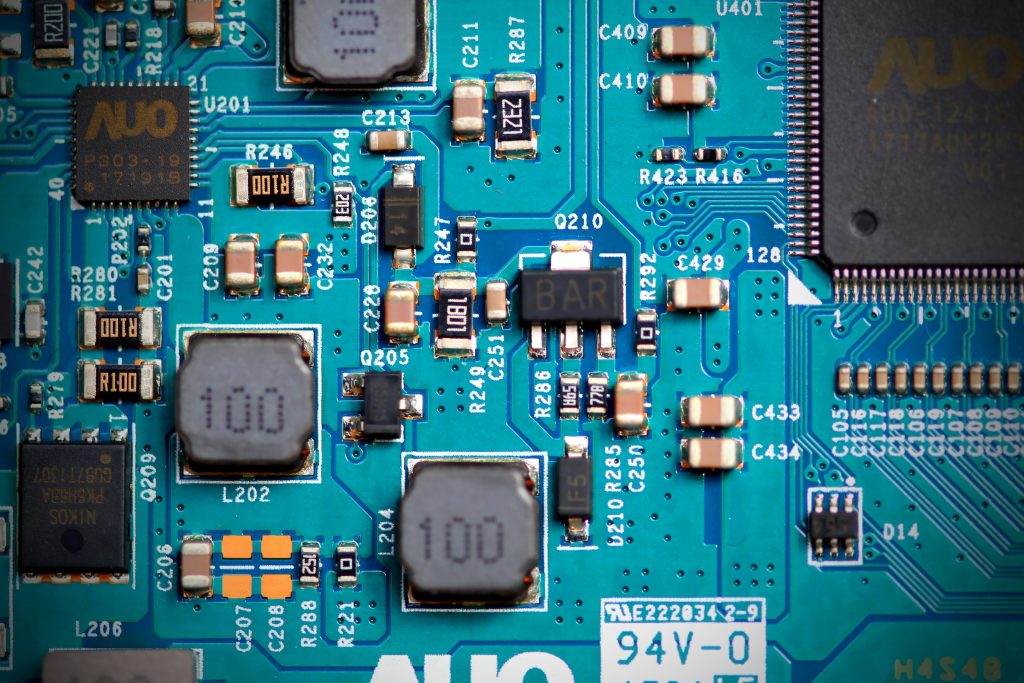
What Affects High-Speed PCB Cost
Many elements determine final high-speed PCB cost, but layer count and material grade are the two most influential factors. Other major contributors include copper weight, trace and space, via type, surface finish, impedance control, testing requirements, and order volume. Each detail changes manufacturing difficulty, material consumption, production yield, and labor input, all of which directly shape pricing.
Layer Count – The Biggest Driver of High-Speed PCB Cost
Layer count has the most significant impact on high-speed PCB cost. Each additional layer requires more core material, prepreg, repeated lamination, precision alignment, and extra drilling steps. As layer count rises, process complexity and failure rates increase, causing costs to rise exponentially.
| Layer Count | Relative Cost (4-layer = 1.0x) |
|---|---|
| 4 Layer | 1.0x |
| 6 Layer | 1.5–1.8x |
| 8 Layer | 2.0–2.5x |
| 10 Layer | 2.5–3.5x |
| 12 Layer | 3.5–5.0x |
| 16 Layer+ | 6–10x |
Cost jumps happen most noticeably at 4→6 layers (+50–80%) and 8→10 layers (+30–50% per 2 layers). Understanding these thresholds helps you optimize design without overpaying.
Material Grade and Its Impact on High-Speed PCB Cost
High-speed signals require low dielectric loss and stable electrical performance. Standard FR4 is insufficient for high-speed designs above 10Gbps, so mid-loss, low-loss, ultra-low-loss, and PTFE high-frequency materials are widely used. Each grade raises high-speed PCB cost significantly.
| Material Type | Cost vs. Standard FR4 | Typical Materials |
|---|---|---|
| Standard FR4 | 1.0x | TG130, TG170 |
| Mid Loss | 1.5–2.0x | I-Speed, FR408 |
| Low Loss | 2.5–3.5x | Megtron 6, RO4350B |
| Ultra-Low Loss | 4–6x | Megtron 8, RO5880 |
| PTFE High Frequency | 5–8x | RO3003, RO5880 |
Material choice is critical for balancing performance and high-speed PCB cost. Over‑specifying materials leads to unnecessary expenses.
Copper Weight, Board Thickness, and Trace/Space
Copper thickness affects current capacity and etching difficulty. Standard 1.0oz copper is baseline; 2.0oz adds 30–50%, and 3.0oz+ adds 50–100%.
Ultra-thin boards (<0.6mm) and ultra-thick boards (>3.0mm) also increase high-speed PCB cost by 20–50% due to handling challenges and specialized lamination.
Fine trace/space requirements further raise costs:
- 4/4 mil: baseline
- 3/3 mil: +15–25%
- 2/2 mil: +50–80%
Via Technology and Surface Finish
Advanced vias improve signal integrity but increase high-speed PCB cost:
- Through hole: baseline
- Backdrill: +10–20%
- Blind via: +20–40%
- Buried via: +30–50%
- Any-layer HDI: +100–200%
- Via-in-pad with filling: +30–50%
Surface finish also affects pricing and high-speed performance:
- HASL: baseline (not recommended for high speed)
- OSP: +5–10%
- ENIG: +20–40%
- Immersion Silver: +15–25%
- ENEPIG: +40–70%
- Hard Gold: +30–50%
Special Requirements
Impedance control, tight tolerances, TDR testing, X-ray inspection, and special packaging all add to high-speed PCB cost. Standard impedance control (±10%) adds 10–20%, while strict tolerance (±7%) adds 15–25%.
Prototype vs. Mass Production High-Speed PCB Cost
High-speed PCB prototype cost and mass production cost follow completely different structures. Prototypes have high unit costs because engineering fees, material waste, and line change time dominate expenses.
Prototype Cost (1–50 pieces)
Engineering and tooling account for 30–50% of prototype cost. Materials make up 20–30%, labor 15–25%, testing 5–10%, and profit 5–10%.
Typical prototype pricing (standard FR4):
- 4-layer: $200–500
- 6-layer: $350–800
- 8-layer: $500–1200
- 10-layer: $700–1800
- 12-layer: $1000–2500
Mass Production Cost (500+ pieces)
In mass production, materials become the largest cost at 40–60%. Labor is 15–25%, amortized engineering 5–10%, testing 5–10%, and operation/profit 10–15%.
Typical mass unit price (1000 pieces, standard FR4):
- 4-layer: $5–15
- 6-layer: $8–25
- 8-layer: $12–40
- 10-layer: $20–60
- 12-layer: $30–100
The large gap exists because fixed costs are spread across thousands of units, material usage becomes highly efficient, and automated lines reduce labor time.
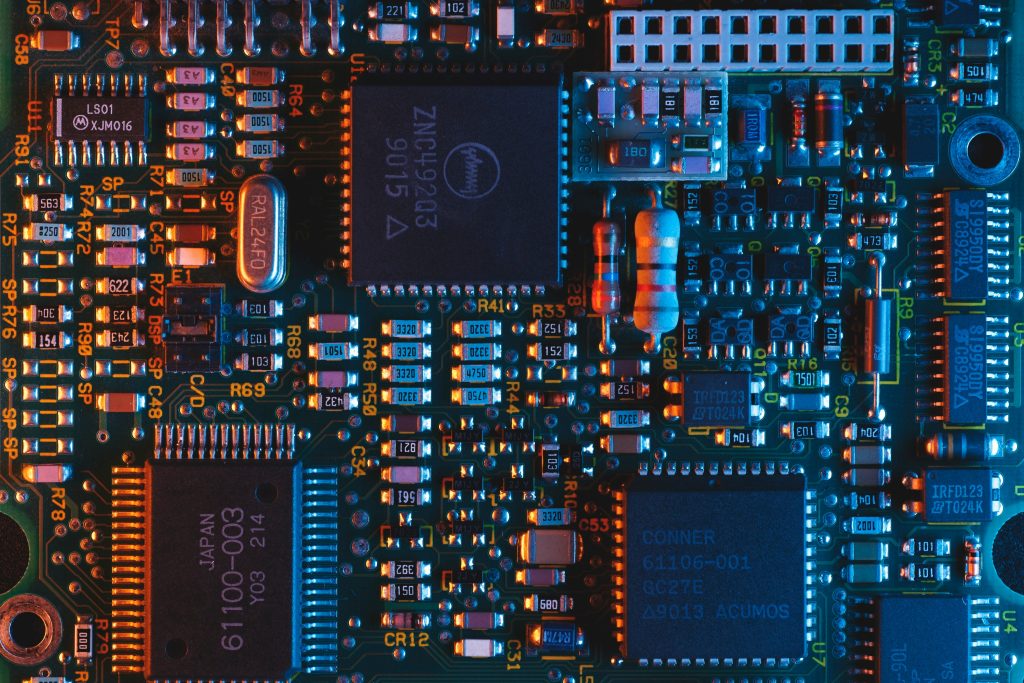
High-Speed PCB Cost Estimation Matrix
The tables below provide reliable reference for budgeting based on real industry data. All values use standard ENIG surface finish and default parameters.
Prototype Cost (5 pieces)
| Layer | FR4 | Mid Loss | Low Loss | Ultra-Low Loss |
|---|---|---|---|---|
| 4-Layer | $200–400 | $300–600 | $400–800 | $500–1000 |
| 6-Layer | $350–700 | $500–1000 | $700–1400 | $900–1800 |
| 8-Layer | $600–1100 | $800–1600 | $1100–2200 | $1500–3000 |
| 10-Layer | $900–1700 | $1200–2400 | $1700–3400 | $2500–5000 |
| 12-Layer | $1300–2500 | $1800–3500 | $2500–5000 | $3500–7000 |
Mass Production Cost (1000 pieces)
| Layer | FR4 | Mid Loss | Low Loss | Ultra-Low Loss |
|---|---|---|---|---|
| 4-Layer | $5–12 | $8–18 | $12–25 | $15–35 |
| 6-Layer | $8–20 | $12–30 | $20–45 | $30–60 |
| 8-Layer | $12–35 | $18–50 | $30–70 | $45–100 |
| 10-Layer | $20–55 | $30–80 | $50–120 | $80–180 |
| 12-Layer | $30–85 | $45–130 | $80–200 | $130–300 |
Actual price varies based on lead time, impedance tolerance, HDI, backdrill, and other custom requirements.
PCB Lead Time and Its Effect on High-Speed PCB Cost
Lead time is closely tied to high-speed PCB cost. Standard production offers the best value, while expedited services add 30–200% to total cost.
Standard Lead Time
| Layers | Prototype (1–10pcs) | Mass (1000+pcs) |
|---|---|---|
| 4–6 Layers | 5–7 days | 12–15 days |
| 8–10 Layers | 6–8 days | 15–18 days |
| 12–16 Layers | 7–10 days | 18–22 days |
| 18+ Layers | 10–14 days | 22–28 days |
HDI and any-layer HDI add 2–14 days depending on complexity.
Expedited Lead Time
- 24-hour rush: +100–200%, ≤4 layers
- 48-hour rush: +75–150%, ≤6 layers
- 72-hour express: +50–100%, ≤8 layers
- 5-day priority: +30–60%, ≤12 layers
Factors that delay lead time include non-stock materials, strict impedance, backdrill, buried vias, and special surface finishes.
How to Get an Accurate High-Speed PCB Quote
An accurate high-speed PCB quote requires complete and clear information. Missing or unclear details lead to repeated revisions, delayed timelines, and unexpected costs.
Required Information for Quotation
- Gerber RS-274X or ODB++ files (ZIP)
- Exact layer count
- Finished board thickness
- Inner and outer copper weight
- High-speed material brand and model
- Order quantity (prototype or mass production)
- Surface finish type
- Impedance value and tolerance
- Special processes: backdrill, HDI, via filling, TDR test, X-ray inspection
Quotation Process
- Submit design files and specifications
- Engineering review (2–4 hours)
- Free DFM analysis and feedback (4–8 hours)
- Formal high-speed PCB quote with detailed cost breakdown
- Order confirmation and deposit
- Production scheduling within 24 hours
Every quotation includes transparent pricing with no hidden fees. We provide free DFM review to improve yield and reduce unnecessary high-speed PCB cost.
How to Reduce High-Speed PCB Cost
You can lower high-speed PCB cost without sacrificing signal integrity or reliability using these practical strategies:
Design Optimization
- Reduce unnecessary layers to cut cost by 20–50%
- Use standard in-stock materials to save 30–60%
- Relax non-critical impedance tolerances from ±7% to ±10% to save 10–30%
- Limit backdrill and HDI to key high-speed signals only
- Optimize panel layout to improve material utilization by 10–20%
- Use standard board thickness to avoid custom lamination costs
Ordering Strategy
- Combine multiple small designs into one panel to share engineering fees
- Order reasonable batch sizes to take advantage of volume pricing
- Use long-term agreements to lock material costs and ensure capacity
Performance vs. Cost Tradeoffs
- Match material grade to actual signal speed; avoid over-engineering
- Keep impedance tolerance strict only for high-speed differential pairs
- Use OSP for short-cycle prototypes and ENIG for mass production
- Avoid unnecessary testing unless required by industry standards
FAQ
Q: What has the biggest impact on high-speed PCB cost?
A: Layer count and material grade are the two largest factors influencing high-speed PCB cost. These two elements drive more than 60% of the total price difference between different high-speed PCB projects.
Q: Why is prototype high-speed PCB cost higher?
A: High prototype cost comes from one-time engineering fees, low material efficiency, and frequent production line changes. Fixed costs cannot be spread across a large number of units, resulting in a much higher per-unit price.
Q: How can I get a fast and accurate high-speed PCB quote?
A: Submit complete Gerber files and clear specifications to receive a fast, precise high-speed PCB quote. Complete information helps engineers evaluate requirements quickly and avoid repeated price adjustments.
Q: Are there hidden costs in your quotation?
A: No. All costs are clearly listed, including engineering, materials, processes, testing, and surface finish. We provide fully transparent pricing with no unexpected or unlisted charges.
Q: Can I reduce high-speed PCB cost without losing performance?
A: Yes. Optimizing layer count, material selection, tolerances, and panel usage can lower expenses while meeting performance requirements. Smart design choices balance cost reduction and signal integrity.
Key Takeaways
- High-speed PCB cost is determined mainly by layers, materials, and process complexity.
- Prototype and mass production have completely different cost structures.
- Standard lead time helps control high-speed PCB cost; expedited services add significant premiums.
- Complete design files ensure an accurate high-speed PCB quote with no hidden charges.
- Smart design and ordering can greatly reduce high-speed PCB cost while maintaining quality.
Get Your High-Speed PCB Quote Today
If you need professional, fast, and transparent service for high-speed PCB manufacturing, we are ready to support you. We specialize in 4–20+ layer high-speed boards, low-loss/ultra-low-loss materials, impedance control, HDI, backdrill, and high-frequency designs.
We offer:
- Free DFM review with every project
- Accurate high-speed PCB cost breakdown
- Fast high-speed PCB quote within 4–8 hours
- Flexible lead times including standard and expedited options
- Stable quality for prototypes, small batches, and mass production
Upload your Gerber files today to receive your customized high-speed PCB quote and start your project with confidence.